Green Glass or Green Washing? The Real Environmental Score of Draft Beer Systems
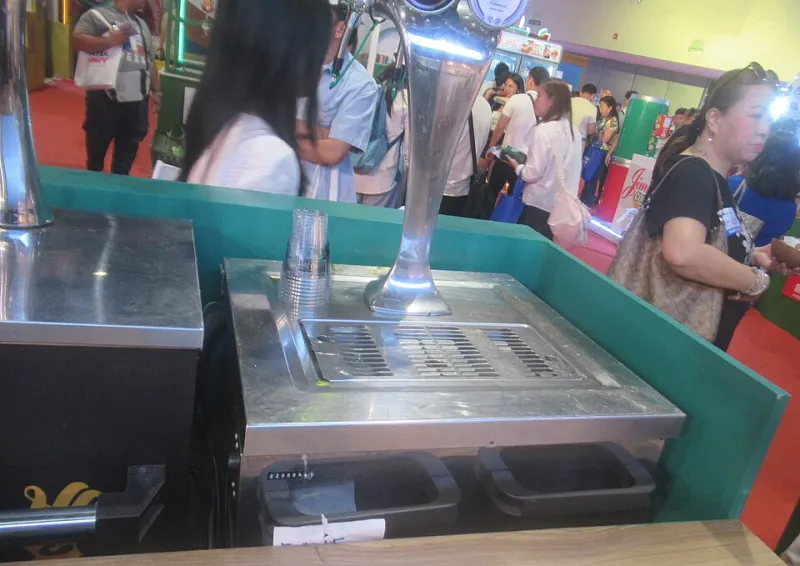
Photo: P1898, CC BY 4.0, via Wikimedia Commons
Everybody wants to be sustainable these days. Breweries slap leaf logos on their packaging, bars advertise "eco-friendly" tap programs, and equipment manufacturers throw around terms like "low-impact" with impressive confidence. But when you actually sit down and trace the lifecycle of a keg — from raw material extraction to your last pour — the picture gets a lot more complicated than any marketing slogan lets on.
So let's cut through the noise. If you're a bar owner, restaurant manager, or home brewer who genuinely wants to reduce your beverage operation's environmental footprint, here's what actually matters.
Stainless Steel: The Long Game Winner
The workhorse of the draft world, the standard stainless steel half-barrel keg, doesn't look particularly green at first glance. Manufacturing stainless steel is energy-intensive, and the mining of chromium and nickel — two key components — carries real environmental costs. No sugarcoating that.
But here's the thing: a commercial stainless keg can survive 30 years of regular use with proper maintenance. When you spread that initial manufacturing footprint across hundreds of fill cycles, the per-pour carbon cost drops dramatically. Studies in the beverage industry have consistently found that the refillable stainless keg outperforms bottles, cans, and single-use containers on a lifecycle basis by a wide margin — often by a factor of three to five times.
For commercial operations, this is the baseline. If you're running a bar or restaurant and you're not already on a refillable stainless system, the environmental argument for making the switch is as strong as the financial one.
Aluminum Kegs: Lighter, But Not Always Leaner
Aluminum kegs have gained traction in recent years, particularly in the craft beer and single-use market. They're lighter than steel (which reduces transportation emissions per trip), and aluminum is one of the most recyclable materials on earth — theoretically recapturable almost indefinitely.
The catch? "Theoretically" is doing a lot of heavy lifting in that sentence. Single-use aluminum kegs, which are popular for smaller craft releases and home delivery, depend almost entirely on consumers and venues actually recycling them correctly. In practice, contamination and improper disposal mean a meaningful percentage end up in landfills. And producing virgin aluminum in the first place is extraordinarily energy-hungry.
If your local recycling infrastructure is solid and you're genuinely committed to closing the loop, aluminum kegs can be a reasonable choice for specialty applications. But if you're comparing a single-use aluminum keg to a refillable stainless one, the refillable option wins on sustainability in most real-world scenarios.
Plastic Kegs: The Complicated One
One-way plastic kegs — often made from PET — have grown in popularity for events, catering, and export markets. The pitch is simple: no deposit, no return logistics, lighter shipping weight. And yes, the transportation savings are real.
But plastic kegs carry serious end-of-life problems. PET kegs aren't universally recyclable in the same way aluminum is, and the reality of plastic recycling in the US is grim — the EPA estimates that only about 5% of plastic waste was actually recycled domestically in recent years. A plastic keg that ends up in a landfill has essentially zero environmental upside.
For home enthusiasts hosting a one-off backyard party where returning a steel keg isn't practical, a plastic keg might make logistical sense. For venues running ongoing operations? The environmental case is weak.
Distribution Distance: The Factor Everyone Ignores
Here's a sustainability variable that almost never shows up in equipment marketing: how far your beer travels to reach you.
A locally brewed craft lager delivered in a well-used stainless keg from a brewery 40 miles away has a dramatically smaller carbon footprint than an imported lager shipped across the country in brand-new containers — regardless of what material those containers are made from. Transportation accounts for a substantial share of any beverage's total lifecycle emissions.
For eco-conscious bars, sourcing from regional breweries isn't just a marketing angle — it's one of the most impactful sustainability decisions you can make. Many states have thriving local craft scenes, and building tap lines around regional producers can meaningfully reduce your operation's overall footprint while often delivering fresher beer at better margins.
Cleaning Chemistry: The Hidden Footprint
Draft systems require regular cleaning, and the chemicals involved — caustic cleaners, acid rinses, sanitizers — have their own environmental costs if disposed of improperly. Wastewater from line cleaning can carry chemical residues and organic matter that stress municipal treatment systems.
The good news: modern enzymatic and peracetic acid-based cleaners are significantly more environmentally benign than older caustic-heavy approaches. Investing in a quality line cleaning setup and following proper dilution and disposal protocols isn't just good for your system — it's good for your local watershed.
What Actually Moves the Needle
If you want to run a genuinely greener draft operation — whether you're behind a commercial bar or managing a home kegerator setup — here's where to focus your energy:
Choose refillable over single-use. Every time. The lifecycle math almost always favors it.
Prioritize local and regional sourcing. Transportation emissions are real, and buying local compounds the sustainability benefits of a refillable keg system.
Maintain your equipment. A well-maintained keg lasts decades. A neglected one ends up as scrap metal far sooner than it should.
Upgrade your cleaning chemistry. Swap harsh caustic cleaners for modern, lower-impact alternatives where possible.
Audit your waste streams. Spent CO2 cartridges, damaged couplers, worn gaskets — these add up. Find local recycling or scrap metal options for metal components.
The draft beer world has a genuine sustainability story to tell — but only when the full picture is honest. Skip the greenwashing, focus on the variables you can actually control, and the keg on your tap line becomes one of the smarter environmental choices in the beverage industry.