Tapping Into Tomorrow: How Small-Town Bars Are Using Draft Beer to Fight Back
Drive through any small town in rural America and you'll almost certainly pass a bar that's been there for decades. Maybe it's got a hand-painted sign, a parking lot full of pickup trucks, and a cooler stocked with the same three domestic brands it's carried since 1987. For a long time, that was enough. But things are changing — fast.
Younger drinkers are moving back to rural communities, remote work is redistributing population away from cities, and craft beer culture has spread well beyond the coasts. The small-town bar that refuses to evolve is increasingly finding itself empty on a Friday night. The ones that are thriving? A lot of them have one thing in common: they invested in draft beer.
The Problem With Playing It Safe
For years, rural bars operated on a simple formula — keep overhead low, stock the familiar stuff, and rely on regulars. It worked. But that customer base is aging, and the next generation of drinkers has different expectations. They've traveled. They've been to taprooms. They've had a proper pint pulled from a well-maintained tap, and they know the difference.
Bottles and cans are fine, but they signal something to a younger crowd: this place isn't trying very hard. A rotating draft lineup, on the other hand, says the opposite. It says the owner is paying attention, that the beer is fresh, and that there's something worth coming back for.
The challenge is that upgrading a draft system isn't cheap, and for a bar in a town of 3,000 people, every dollar counts.
The Real Cost — and the Real Return
Here's where a lot of rural bar owners get stuck. They see the upfront price tag on a multi-tap kegerator or a full walk-in cooler conversion and they shut the conversation down before it starts. But the math tells a more interesting story when you actually run it.
Draft beer consistently delivers higher margins than packaged beer. When you're buying by the keg, you're paying significantly less per ounce than you would for cases of bottles or cans, and you're selling it at a premium. A well-run draft system can increase a bar's beverage revenue by 20 to 30 percent without adding a single seat.
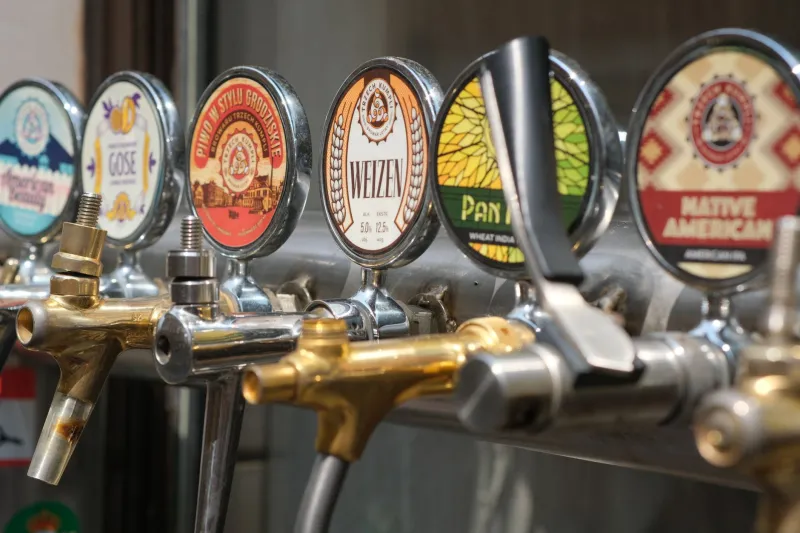
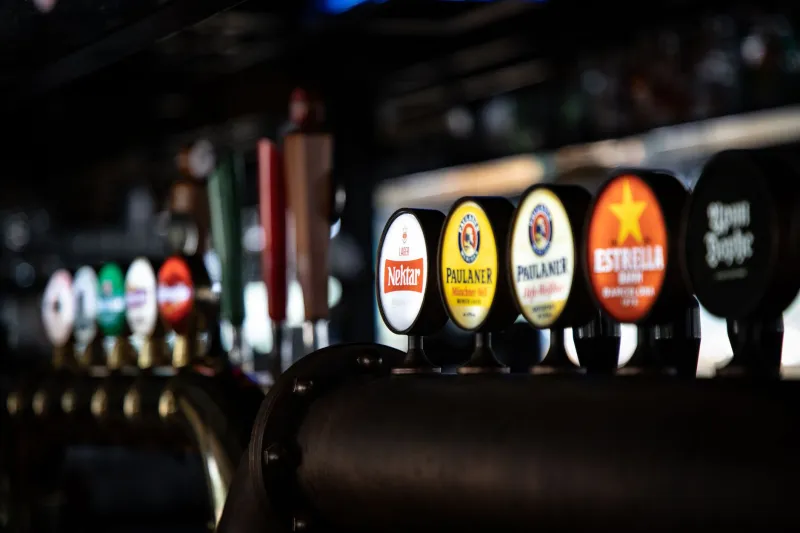
Small operators across the rural South and Midwest have started catching on. Bars that once ran two taps — both dedicated to the same light lager — are expanding to six, eight, even twelve lines. Some are partnering with regional craft breweries to offer exclusive local taps, which doubles as a marketing tool. Nothing drives foot traffic quite like "the only place in the county you can get this on draft."
What a Real Upgrade Looks Like
Take a hypothetical — though very real in spirit — example: a tavern in central Illinois that's been in the same family for three generations. The owners watched their weeknight crowd thin out over a five-year stretch as younger locals chose to drive 45 minutes to a city with more options. Their solution wasn't a full renovation or a rebrand. It was a targeted draft infrastructure investment.
They added a four-tap kegerator behind the bar, negotiated with a regional distributor to carry two rotating craft lines alongside their standard domestics, and built a simple chalkboard menu to show what was on. Within six months, they had a new weeknight crowd — younger, more likely to stay for multiple rounds, and more likely to bring friends.
The keg system paid for itself in under a year. Now they're planning to add a nitro tap.
The Distributor Relationship Nobody Talks About
One underappreciated factor in all of this is the leverage that comes with committing to kegged product. Distributors pay attention to volume, and a bar that moves kegs gets better service, better pricing, and first access to limited releases. For a small-town bar trying to compete with the taproom that just opened two towns over, that access matters.
Building a solid distributor relationship starts with consistency. Order regularly, maintain your equipment properly, and communicate about what your customers are actually drinking. Distributors are often willing to work with rural accounts that show they're serious — especially as craft beer continues to penetrate smaller markets.
The Community Angle
There's something else happening here that goes beyond profit margins and pour costs. Draft beer is doing something genuinely social in these small communities. A bar with a rotating tap gives people a reason to talk — about what's on, what they liked last time, what they want to try next. It creates a shared experience that a wall of identical bottles simply can't replicate.
In some towns, local bars have started hosting tap takeovers with nearby craft breweries, turning a Tuesday night into an event. Others have introduced simple beer flights, letting customers sample four or five options without committing to a full pint. These are city-bar moves, but they translate beautifully to rural settings where entertainment options are limited and people are genuinely hungry for something different to do.
What It Takes to Make the Jump
If you're a rural bar owner reading this and wondering whether a draft upgrade is right for your place, here are the honest considerations:
Space and infrastructure. A basic kegerator setup doesn't require a massive footprint. Even a two- or four-tap unit can transform your bar's offering without demanding a construction project.
Maintenance commitment. Draft lines need regular cleaning — ideally every two weeks. Neglecting this tanks your beer quality fast, and bad beer is worse than no beer. Factor in the time or the cost of a line-cleaning service.
Menu curation. Don't just add taps for the sake of adding taps. Think about what your specific crowd wants, what regional breweries are available to you, and how to balance familiar brands with interesting options.
Pricing strategy. Draft beer should be priced to reflect its quality and your margin needs. Don't race to the bottom — customers will pay a fair price for a great pour.
The Bigger Picture
Rural bar culture in America is at a crossroads. The establishments that treat draft beer as an afterthought are slowly losing ground. The ones investing in proper keg systems, building distributor relationships, and giving their communities something to get excited about are writing a different story.
It's not about becoming a craft beer bar or chasing trends. It's about recognizing that the tap — that simple, elegant piece of equipment — is one of the most powerful tools a bar owner has. In small-town America, where every customer matters and word of mouth travels fast, a great pint pulled from a well-maintained keg system can be the difference between a bar that's still standing in ten years and one that isn't.
The keg economy is real. And it's coming to a small town near you.