Stop Guessing at the Tap: Your No-Nonsense Breakdown of Every Keg Coupler Type
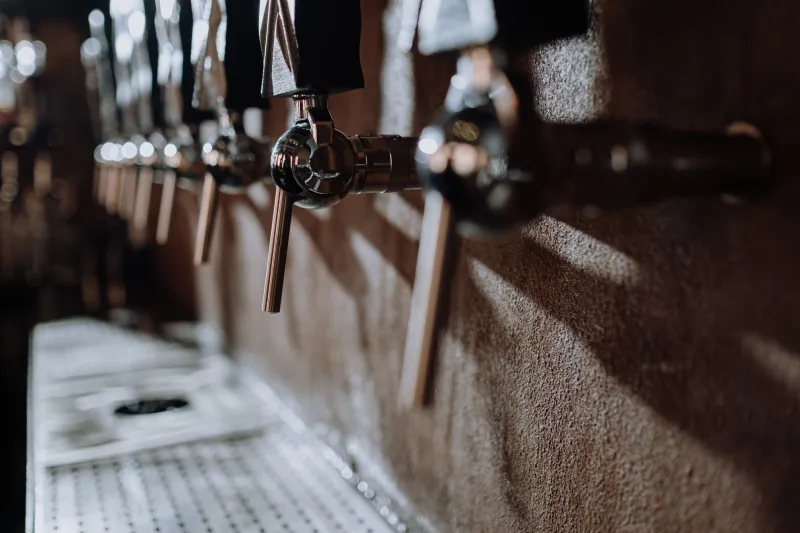
Picture this: you've got a brand-new keg chilling in the cooler, your friends are showing up in an hour, and the coupler you grabbed from the shelf won't connect. The threads don't match. The probe won't seat. Nothing clicks. Panic sets in.
If you've been there — or you're trying hard to never go there — you're in the right place. Keg couplers are one of those things that seem simple until they're not, and the sheer number of connector styles floating around the market can make even experienced bar managers second-guess themselves at checkout.
Let's fix that right now.
What Exactly Does a Keg Coupler Do?
Before we get into the alphabet soup of connector types, it helps to understand the coupler's job. A keg coupler is the mechanical interface between your CO2 line and beer line and the keg itself. It locks onto the keg's valve, lets gas in to push the beer, and opens a pathway for that beer to travel up through your tap line and into your glass.
Get the wrong one, and none of that happens. The coupler either won't attach at all, or — worse — it'll seem to attach but won't seal properly, leading to leaks, flat beer, or foam city.
There are six main coupler systems used across the US draft market. Here's what you need to know about each one.
The D System: America's Default
If you're buying domestic beer in the United States, there's a very good chance you need a D System coupler, also called the American Sankey. This is by far the most common connector in the country, and it's the one most home kegerator setups come equipped with right out of the box.
Brands that use the D System include virtually every major American lager — Budweiser, Bud Light, Coors, Coors Light, Miller Lite, Miller High Life, Pabst Blue Ribbon, and most craft beers produced domestically. If you're setting up a home draft system and you're sticking with American brews, a quality D System coupler will handle the vast majority of what you pour.
Pro tip: When in doubt, start here.
The S System: Your European Lager Connector
Heading into imported territory? The S System, or European Sankey, is the coupler you'll need for a wide range of popular European lagers sold in the US. This one handles kegs from brands like Heineken, Amstel, Stella Artois, Guinness Draught (the standard version), Dos Equis, Tecate, and Modelo.
The S System looks similar to the D System at a glance, which is exactly why people mix them up. The probe diameter and lug configuration are different, though, so don't let the visual similarity fool you. Always check the brand before you buy.
The A System: German Precision
German lagers have their own coupler, and it's a distinctive one. The A System — sometimes called the German Slider — uses a different probe and a sliding, side-entry mechanism rather than a twist-lock design. It's used primarily for Paulaner, Spaten, Warsteiner, Löwenbräu, and other German imports.
If you're running a German-themed bar or you're a serious enthusiast who likes to stock authentic German lagers on draft, an A System coupler is a must-have in your collection. It's less common in American homebrew setups but absolutely essential for the right brands.
The G System: British Ales and Stouts
Fans of British-style ales and certain Irish stouts will want to get familiar with the G System. This coupler is used for Bass Ale, Boddingtons, and several other UK imports. It's less common than the D or S systems in American bars, but if you're building out a craft-focused tap list with some old-world British character, you'll need it.
The G System features a unique probe and body shape that makes it incompatible with any other system, so there's no improvising here.
The U System: Uncommon but Important
The U System is sometimes called the Irish/European Sankey, and it covers a specific but notable set of brands including Harp Lager and certain Guinness products (depending on the specific keg format). It's not as widely encountered as the D or S systems, but if you're a Guinness-on-draft devotee, you'll want to double-check which system your specific keg requires — Guinness can vary by product line and keg type.
When ordering imported Irish or certain specialty European kegs, confirming the coupler type with your supplier before you finalize the purchase is always a smart move.
The M System: Craft and Specialty Imports
Rounding out the main lineup is the M System, used for certain German and European specialty beers including Schneider Weisse and a handful of other craft imports. It's the least common of the six systems in the American market, but it does show up — particularly in craft beer bars that prioritize deep, well-curated import selections.
If you're running a tap list that goes well beyond the mainstream, keeping an M System coupler on hand ensures you're never caught off guard.
How to Shop for Couplers Without the Headache
Now that you know the landscape, here's how to approach buying couplers without second-guessing yourself at every step.
Match the coupler to the brand, not the style. A German Hefeweizen and an American wheat beer might seem similar in the glass, but they could require completely different couplers depending on where they were brewed and how they're packaged.
Build a reference list before you order. If you're running a bar or planning a party with multiple keg brands, write down every brand you're ordering and confirm its coupler type before you place your equipment order. Supplier websites and brand spec sheets usually list this information.
Stock multiples if you pour multiple brands. Home enthusiasts who rotate their tap selection — or bar managers building out a diverse draft program — should consider having at least one backup coupler per system type they regularly use. Couplers wear out over time, and having a spare on hand beats scrambling at the last minute.
Quality matters more than you think. A cheap coupler might fit the keg just fine but leak under pressure, introduce off-flavors through low-grade seals, or fail to disengage cleanly. Investing in a well-made coupler from a reputable brand pays off in beer quality and peace of mind.
One Last Thing Before You Tap
Keg couplers aren't glamorous. They don't get the same attention as a beautiful kegerator build or a perfectly poured pint. But they are the single most critical connection point in your entire draft system — and knowing your D from your S from your A is the difference between a great pour and a very frustrating evening.
Once you've got the right coupler locked in, everything else flows from there. Literally.