Cold, Colder, Perfect: The Complete Guide to Draft Beer Temperature from Storage to Your Glass
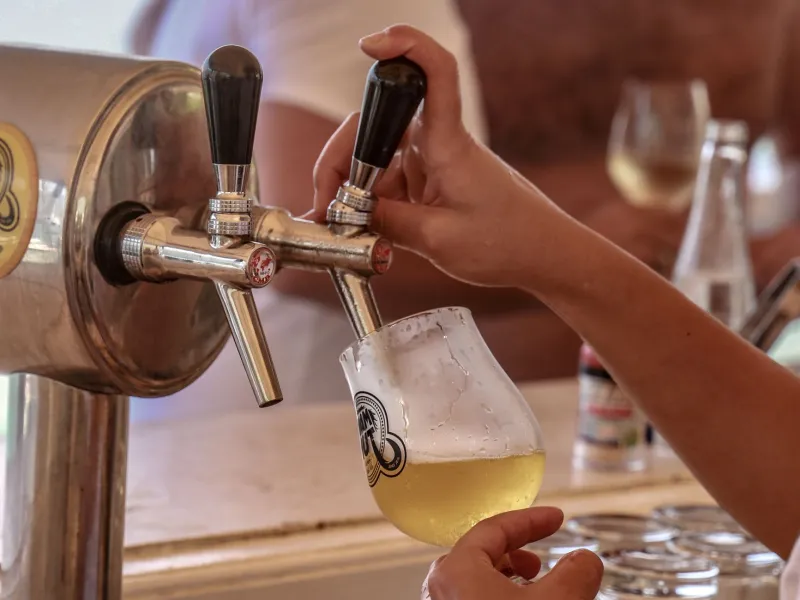
You've got a beautiful keg sitting in the cooler, a clean tap line, and a crowd of thirsty people waiting. You pull the handle, and instead of a crisp, clean pour, you get a glass half-full of foam. Or worse — a flat, lifeless pint that tastes like it's been sitting in a warm garage since Tuesday.
So what went wrong?
Nine times out of ten, the answer is temperature. Not dirty lines, not a bad keg, not user error — just a few degrees here and there that threw the whole system out of whack. Whether you're running a bar in Nashville or hosting a backyard party in Phoenix, understanding the full thermal journey your beer takes from storage to glass is the single biggest thing you can do to improve every pour you make.
Let's break it all down.
Why Temperature Is the Whole Game
Beer is a living, breathing (well, carbonated) product. It behaves differently depending on how warm or cold it is, and those behaviors have a direct effect on carbonation levels, foam production, aroma, and flavor. CO2 — the gas that keeps your beer bubbly and lively — is incredibly sensitive to temperature changes. As beer warms up, CO2 wants to escape. As it cools down, CO2 stays dissolved in the liquid where it belongs.
This relationship between temperature and CO2 solubility is the foundation of everything in draft beer service. Mess with it, and you're going to feel the consequences in your glass.
The Ideal Storage Temperature (and Why It's Not Negotiable)
For most American lagers, pale ales, IPAs, and similar styles, the sweet spot for keg storage is between 36°F and 38°F. This range keeps CO2 dissolved, slows any biological activity inside the keg, and ensures the beer you're serving tastes exactly the way the brewer intended.
Go warmer than 40°F, and you're asking for trouble. CO2 starts releasing from the liquid, pressure builds inside the keg, and by the time you pull that first pint, you're fighting foam the whole way. Go colder than 34°F, and you risk partially freezing the beer near the keg walls, which can throw off flavor and damage carbonation structure in certain styles.
For home kegerators, it's worth investing in a quality thermometer that actually sits inside the unit — not just the built-in dial that approximates temperature. Those dials are notoriously unreliable. A $10 digital probe thermometer from a hardware store can save you dozens of ruined pints.
The Part Most People Ignore: Your Tap Lines
Here's where things get interesting — and where a lot of setups fall apart even when the keg itself is perfectly chilled. Your tap lines run from the cold keg out through the shank in your kegerator or walk-in cooler, and any portion of those lines that's exposed to room temperature is a problem waiting to happen.
Warm tap lines cause what's called line foam — the beer in the exposed section warms up, CO2 breaks out of solution, and you get a foamy mess before the beer even hits the glass. In a home kegerator setup, this usually isn't a huge issue if your lines are short and the tap tower is relatively close to the keg. But in a bar setup with long runs, it's a serious operational challenge.
The fix? A few different approaches work well depending on your setup:
- Insulated tap towers help keep the lines inside the tower cold without active refrigeration.
- Tower coolers or fans that circulate cold air from the keg compartment up into the tower are a popular and affordable solution for home setups.
- Glycol chiller systems are the gold standard for commercial bars with long line runs, actively cooling beer lines from keg to tap regardless of distance.
If you're pouring more than a few kegs a week and dealing with persistent foam issues, a glycol system is worth every penny.
Different Beers, Different Sweet Spots
Not every style wants to live at 38°F, and serving temperature — as opposed to storage temperature — is where things get nuanced.
American lagers and light beers are happiest served between 38°F and 42°F. Colder keeps them crisp; too warm and the thin malt profile starts tasting watery and off.
IPAs and pale ales generally do well between 44°F and 50°F. A little warmer than a lager lets the hop aromatics open up. Serve them ice-cold and you're actually muting the aroma that makes the style worth drinking.
Stouts, porters, and darker ales traditionally shine at 50°F to 55°F. This is especially true for nitro stouts — serving them too cold tightens up the mouthfeel and suppresses the roasty, chocolatey notes that define the style. If you've ever had a nitro stout that tasted flat and a little harsh, it was probably too cold.
Belgian ales and wheat beers benefit from a slightly warmer pour as well, somewhere in the 45°F to 52°F range, where the fruity esters and spicy phenols the yeast produces can actually express themselves.
The practical takeaway: if you're running a multi-tap setup at home or behind a bar, consider grouping similar styles on the same cooling zone when possible. Serving everything at 38°F is better than serving nothing, but dialing in style-specific temps is what separates a good pour from a great one.
What Happens When Temperature Fluctuates
Consistency is just as important as hitting the right number. A keg that bounces between 36°F and 50°F repeatedly — because someone keeps leaving the cooler door open, or because the compressor in your kegerator is undersized — is going to pour worse than a keg held at a steady 42°F.
Those temperature swings agitate CO2, stress the beer, and gradually degrade flavor. You might notice it as a general staleness, a slightly metallic edge, or just a beer that never quite tastes right even though the keg is fresh. Temperature cycling is a slow killer of keg quality, and it's one of the most overlooked causes of mediocre draft beer.
For bar owners, this means training your staff to minimize walk-in cooler door time and making sure your refrigeration equipment is properly sized for your volume. For home brewers and enthusiasts, it means not using your kegerator as a secondary snack fridge where the door is constantly opening and closing.
Quick Troubleshooting Reference
Before you blame the keg or the brewery, run through this temperature checklist when your pour isn't right:
- Too much foam? Check keg storage temp first. If it's above 40°F, that's your problem. Also check for warm spots in your tap lines.
- Flat pours? Could be a CO2 issue, but also check if the beer is too cold — overly chilled beer can suppress perceived carbonation.
- Off flavors? Temperature cycling is a common cause. Verify your cooler is holding a steady temp over time, not bouncing around.
- First few pints foam, then it settles? Classic warm tap line problem. Your lines need better insulation or active cooling.
The Bottom Line
Perfect draft beer isn't magic — it's physics. When you understand that CO2 behaves predictably based on temperature, and that every section of your draft system needs to stay within a specific range, the mystery of the bad pour disappears. You stop guessing and start dialing.
Whether you're pouring for two people in your garage or two hundred people on a Saturday night, the same rules apply. Get the temperature right, keep it consistent, and match your serving temp to the style in the glass. Do those three things, and you'll be the person everyone wants to pour their beer.
And that's a pretty good reputation to have.