Scrap or Steal? A Clear-Eyed Checklist for Buying Used Kegs in 2026
Photo: AstroHurricane001 at en.wikipedia, Public domain, via Wikimedia Commons
Search any online marketplace for "beer keg" and you'll find a strange mix of listings: a distributor clearing out surplus shells, a homebrewer downsizing, a restaurant that closed last spring, and at least one guy selling something he describes as "great for a smoker project." Prices range from $40 to $150 for what looks like the same object.
Used kegs are one of the few places in the beverage world where a $60 savings can evaporate in an afternoon. Sometimes secondhand is a genuinely good deal. Sometimes it's someone else's problem with a handle welded on. Here's how to tell the difference before money changes hands.
The Price Tag Is Only the Beginning
A new 15.5-gallon Sankey keg typically runs somewhere in the $150 to $200 range depending on the maker and freight. Used shells commonly land between $50 and $110. That gap looks like an easy win until you start adding the parts a used keg usually needs.
Rough budget for bringing an unknown shell up to service:
- Valve rebuild kit and gaskets: $15 to $40
- Replacement spear, if the original is bent or missing: $50 to $90
- Cleaning and sanitizing: time, plus chemicals
- Pressure test: free if you do it yourself
- Freight or pickup: the cost nobody remembers until the keg is 90 miles away
Add those up and a "cheap" $60 keg with a bad spear is a $150 keg with no warranty. Which is fine — if you knew that going in.
The Five-Minute Walk-Around
Before you get to anything technical, do a slow circle around the keg.
Roll it on concrete. A keg with a bent chime wobbles. That matters, because the spear seals against the neck, and a shell that doesn't sit flat often won't hold pressure reliably.
Look at the skirt and chime. Dents in the skirt are usually cosmetic. Cracks or deep creases are not. Rust blooming underneath the chime is a sign of long outdoor storage, and rust that's eaten into the weld is a hard pass.
Check the weld seams and the bung. Any grinding, re-welding, or patches mean the keg has been modified.
Pull the valve if you can. A bent probe, chewed threads, or missing O-rings tell you what kind of life the keg has had. Bring a keg valve wrench — most sellers won't have one.
Shine a light inside and smell it. Sour or vinegary means bacteria got in and stayed. A solvent smell can mean the keg was used for something other than beer. Both are walk-aways.
The Pressure Test Is the Only Test That Counts
Cosmetics lie. Pressure doesn't. Seal the keg, pressurize it to roughly 15 to 20 psi with CO2 or air, and brush soapy water around the valve, the bung, and every weld seam. Bubbles mean a leak. Then let it sit 24 hours and check the gauge again — a slow leak can pass the bubble test and still bleed out overnight.
If the seller won't let you test, that's your answer. A pressure test costs them nothing.
Ownership: The Question Nobody Asks
This is where used keg buyers get sloppy. Kegs are expensive, they circulate through deposit systems, and plenty of shells on the secondhand market are technically still owned by a brewery or a leasing company.
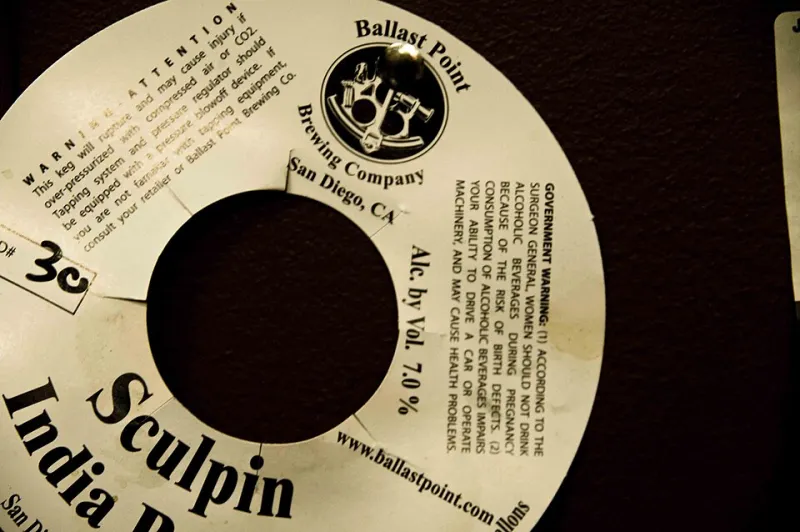
Look for a serial number and any collar tag. If a brewery name is embossed in the steel or printed on a collar, call that brewery and ask whether the keg is out of their system. It's a two-minute phone call. Many will happily tell you, and some will even buy the shell back.
Ask for a bill of sale with the serial number on it. Sellers with legitimate inventory — closing breweries, distributors clearing surplus, restaurants that bought their own kegs — can produce paperwork. Vague answers about "a guy I know" are a warning sign, and in many states knowingly buying kegs that aren't the seller's to sell is a legal problem, not just a bad deal.
Listings That Should Make You Nervous
- "Perfect for a smoker or fire pit." Cut-and-welded kegs have no pressure integrity, and a lot of them started life as someone else's property.
- "Valve not included." Spears get removed and lost, and replacement cost can exceed the savings.
- Heavy paint or coating. It hides rust and it doesn't belong near beer.
- "Untested, sold as-is" with a price that's still close to retail.
- Photos that never show the serial or the neck. Ask for what's missing.
Where the Real Deals Live
Genuine bargains usually come from predictable places: a brewery that just closed, a distributor rotating out older shells, a restaurant that switched to a different format, or a homebrew club classifieds board where the seller knows exactly what they have. Those sellers tend to price fairly and answer questions directly.
Suspiciously cheap kegs from someone with a garage full of them and no story are a different category entirely. Walk.
The 2026 Checklist
Before you buy, confirm all of this:
- Capacity matches what you actually need — half barrel, pony, or sixtel.
- Chime is straight and the keg rolls without wobbling.
- No cracks, re-welds, or cut openings anywhere on the shell.
- Valve is present, the threads are clean, and the probe isn't bent.
- Interior is clean and smells like nothing.
- Holds 15 to 20 psi overnight with no gauge movement.
- Serial number is legible and matches the bill of sale.
- Collar tag, if present, points to a source the seller can explain.
- You've priced in gaskets, a possible spear, and transport.
- The total still beats a new keg — or you're buying it for reasons beyond price.
Used kegs aren't a scam and they aren't a shortcut. They're a judgment call, and the buyers who do well are the ones who test before they trust.