Zero-Proof, Zero Headaches: Tapping Non-Alcoholic Beer Without Trashing Your Lines
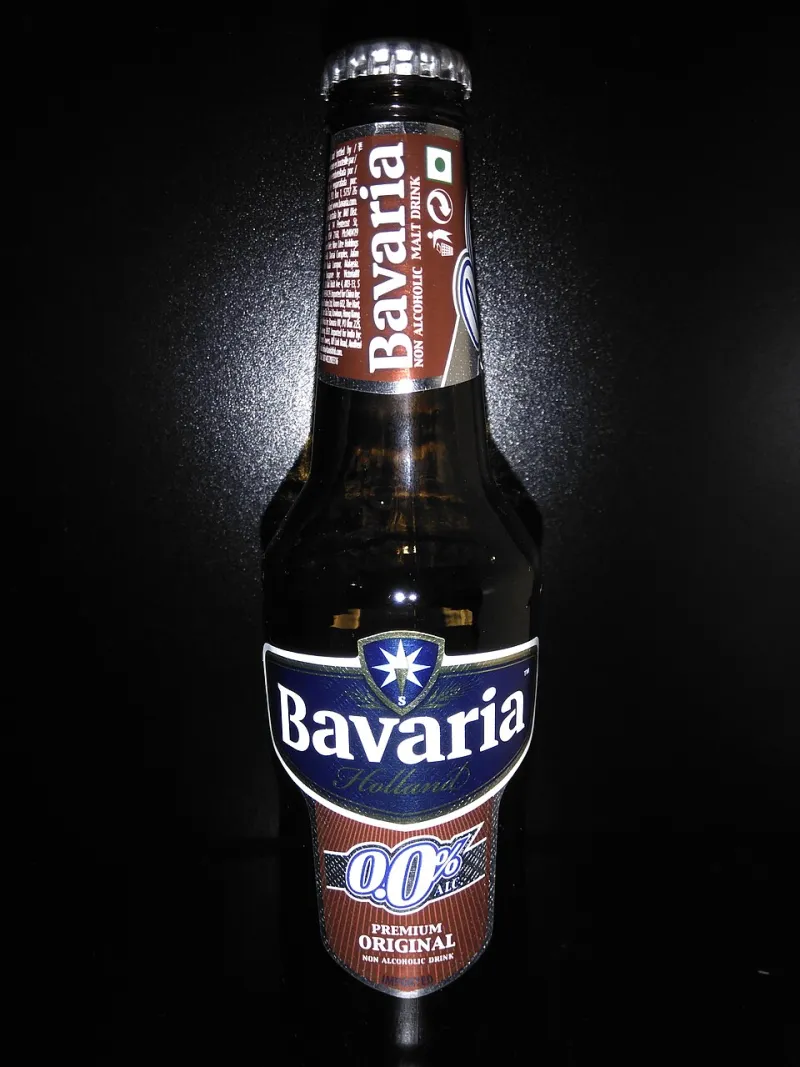
Photo: Sherwin, CC BY-SA 4.0, via Wikimedia Commons
A few years ago, a host who wanted a non-alcoholic option on draft had roughly two choices: a dusty bottle of something sweet, or nothing. That's changed fast. NA beer has become one of the strongest growth categories in US beverage, and draft NA is following — you'll now find it on tap at breweries, at wedding bars, and in home kegerators set up for gatherings where not everybody drinks.
The catch is that NA beer doesn't behave like a 6% IPA. Push it through a system built for full-strength beer and you can end up with foam, off flavors, or a tap line that quietly becomes a biology experiment. None of that is hard to prevent once you understand what's different.
Why NA Beer Plays By Different Rules
Alcohol is a preservative. Strip it down below 0.5% ABV and you remove one of beer's main defenses against spoilage organisms. What's left behind — residual sugars, dextrins, dissolved proteins — is a friendly environment for lactic acid bacteria and wild yeast if the cold chain slips or a line goes uncleaned.
Some NA beers are dealcoholized after brewing, others are brewed to very low gravity from the start. Either way, many brands run higher carbonation levels to compensate for the thinner mouthfeel, and some are pasteurized while others aren't. Check with your supplier on which you're getting. It changes how much margin for error you have.
Dedicate a Line — Really
This is the single most important call. Give NA beer its own faucet, its own coupler, and its own labeled line.
Sharing a line with a hoppy beer means flavor carryover even after a standard cleaning, and it means any spoilage organisms taking hold in the NA keg have a path into everything else you pour. If you absolutely must swap a line mid-event, run a full cleaning cycle first, pour the NA beer early in the day, and clean again before anything else goes on. As a permanent arrangement, sharing is not worth the risk.
For a home kegerator with two taps, dedicating one is easy. For a bar adding a single NA handle, treat it as a new line from the keg to the faucet, not a temporary occupant of tap six.
Temperature and Pressure: Small Adjustments, Big Payoff
Serve NA beer cold — 34 to 38°F is the sweet spot, same as most lagers. Warmer than that and CO2 breaks out of solution, which is where foam complaints start.
Set your regulator to match the carbonation level listed for that specific beer. A beer carbonated at 2.6 volumes sitting at 38°F needs a different pressure than one at 2.3 volumes, and guessing leads to either flat pours or a faucet that spits foam. Use a carbonation chart, not a habit.
Because many NA beers are packaged on the fizzy side, resist the urge to crank pressure to get a faster pour. If the keg is already at 2.8 volumes, extra head pressure just creates more foam, not more speed.
Foam: The Usual Suspects
When an NA pour comes out half foam, work through this list in order:
- Warm lines or a warm keg. The most common cause by far.
- Over-carbonation from excessive pressure. Back the regulator off and give it time to equalize.
- Dirty glassware. Detergent residue destroys foam stability, and NA beer has less alcohol to prop up the head.
- Short or undersized lines. Restriction matters; a 4-foot line at high pressure will foam no matter what you do.
- A partially emptied keg pulled at high pressure. Turn it down as the keg empties.
- A worn faucet or coupler gasket. Cheap to replace, easy to overlook.
Cleaning Cadence That Keeps NA Safe
Treat NA lines as the higher-maintenance part of your system. A two-week cleaning cycle is a reasonable baseline for a busy bar; some operators go weekly during warm months. Use a proper line cleaning regimen — alkaline wash followed by an acid rinse and a no-rinse sanitizer — and don't skip the coupler and faucet disassembly.
At home, if the kegerator is going to sit unused for a week or more, push the NA beer out of the line with a cleaning cycle rather than letting it rest in the tubing. A shell that sits in a warm garage is exactly the scenario spoilage organisms enjoy.
Rotation and Inventory Planning
NA beer typically has a shorter shelf life than its full-strength counterparts, and some brands are far stricter about cold storage. Read the keg code, order smaller formats like sixtels rather than half barrels unless you know you'll turn them, and rotate first in, first out. It's better to run out and reorder than to tap a keg that's been in the walk-in for four months.
Serving a Crowd Without a Hitch
Here's where NA draft earns its keep. Weddings, graduations, family reunions, game days — every one of those events has guests who aren't drinking, whether they're driving home, pregnant, in recovery, or just pacing themselves. A dedicated NA tap means those guests get the same experience as everyone else instead of a warm can in a bucket.
Label the handle clearly so nobody has to ask. Keep NA glasses flowing through the same clean-glass routine as everything else. And put the NA keg on early — the first guest who wants one usually shows up before the beer drinkers do.
The short version: NA beer on draft rewards a little extra discipline. Dedicate the line, keep it cold, clean it often, and set pressure by the numbers. Do that, and nobody at your bar will ever notice the difference — which is exactly the point.