Beyond Beer on Tap: How Venues Are Overhauling Their Draft Lines for the New Beverage Wave

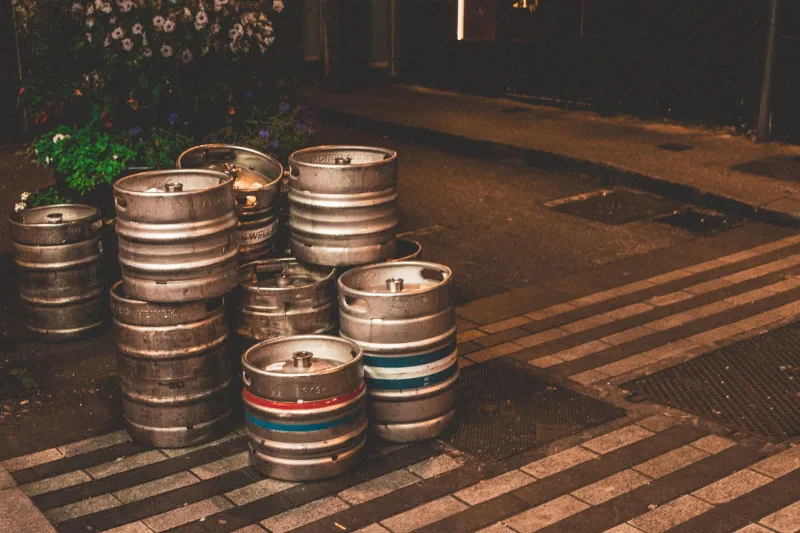
Photo: Sussex Archaeological Society, Laura Burnett, 2010-09-09 12:35:37, CC BY-SA 2.0, via Wikimedia Commons
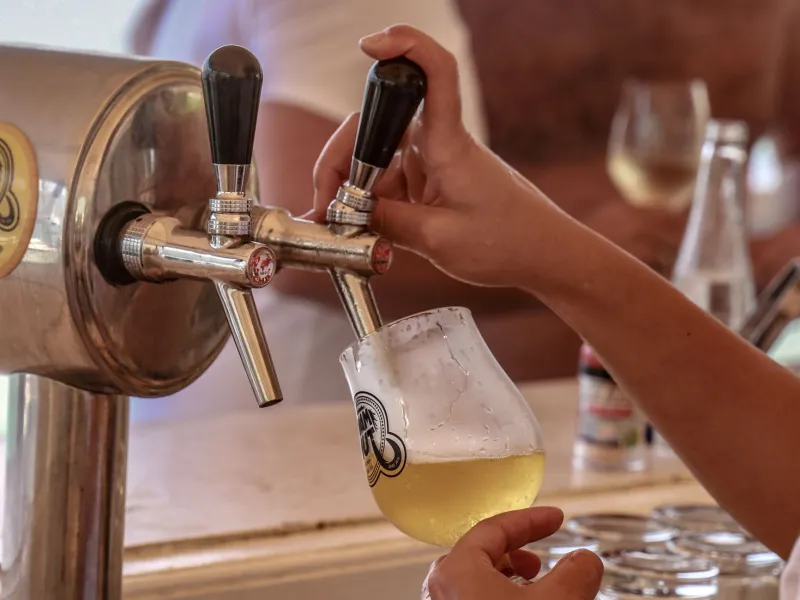
Walk into a forward-thinking bar in Austin, Nashville, or Portland right now and there's a decent chance at least one of their taps isn't pouring beer. It might be a hard seltzer. A house-made hard tea. A sparkling energy cocktail. Maybe even a cold brew coffee on nitro.
This isn't a gimmick. It's a response to genuine, sustained demand — and it's forcing bar owners, event planners, and even home enthusiasts to rethink what a "tap line" actually means in 2024.
The Numbers Behind the Shift
The hard seltzer category exploded in the early 2020s and, despite some market correction, has stabilized as a permanent fixture in American drinking culture. Hard tea has followed a similar arc — brands like Twisted Tea have posted consistent growth, and craft hard tea producers are multiplying. Non-alcoholic beer has gone from a niche afterthought to a serious category, with brands like Athletic Brewing earning genuine shelf respect.
Meanwhile, functional beverages — energy drinks, adaptogen-infused sparkling waters, CBD seltzers — are capturing attention from a younger demographic that's increasingly curious about what they're putting in their bodies, even on a Friday night.
For venues, the implication is clear: the customer walking through your door might want something other than a pint of lager, and if your entire tap infrastructure is beer-only, you're leaving money on the table.
What Changes When You Tap Non-Beer Beverages
Here's where it gets interesting from an infrastructure standpoint — because not all beverages behave the same way once they're in a keg system.
Carbonation Levels
Most draft beer runs on CO2 at pressures between 10 and 14 PSI. Hard seltzers are typically more highly carbonated than beer, often requiring pressures in the 20–30 PSI range to maintain proper effervescence and prevent over-foaming. Running a seltzer line on a standard beer gas setup without adjusting your regulator is a recipe for flat pours or foam disasters.
Venues adding seltzer taps need either a dedicated regulator for those lines or a mixed-gas setup that allows independent pressure management per line. It's not complicated, but it does require intentional planning — and the right equipment.
Nitrogen and Nitro Applications
Nitro taps have expanded well beyond the classic nitro stout. Cold brew coffee on nitro has become a staple at coffee-forward bars and brunch spots. Certain hard teas and even some seltzers are now being dispensed with nitrogen blends for a smoother, creamier texture. Nitro systems require a different gas blend (typically 70/30 nitrogen/CO2), a restrictor plate faucet, and specific serving temperatures — all manageable, but distinct from a standard CO2 beer line.
Flavor Carryover and Line Contamination
This is the issue that trips up venues most often when they first diversify their tap lines. Fruit-forward hard teas and seltzers can leave flavor residue in lines and faucets that contaminates the next product poured — especially if that next product is a delicate lager or pale ale. Dedicated lines for non-beer beverages, along with diligent line cleaning protocols, are non-negotiable if you want your beer program to stay pristine.
How Smart Venues Are Building Mixed Tap Programs
The venues doing this well aren't just randomly adding a seltzer tap and calling it innovation. They're being strategic.
Dedicated zones within the tap wall. Some bars are physically separating their craft beer taps from their alternative beverage taps — both for operational clarity and to signal to customers that these are intentional, curated categories, not afterthoughts.
Seasonal rotation strategies. Hard tea and seltzer demand spikes hard in summer and softens in winter. Rather than maintaining dedicated permanent lines for low-traffic months, savvy operators use reconfigurable tap systems that let them swap product categories with the season.
Premium positioning. The worst thing a venue can do with a craft hard tea or artisan seltzer is treat it like a budget filler product. Bars that merchandise these taps with the same care they give their craft beer lines — proper glassware, staff knowledge, menu callouts — consistently see higher per-pour averages and customer satisfaction scores.
Implications for Event Planning and Home Setups
This trend isn't just a commercial bar story. Event planners are increasingly fielding requests for non-alcoholic tap options at weddings, corporate events, and private parties — driven by guests who don't drink alcohol but still want the social experience of a draft pour. A sparkling water or craft lemonade on tap is a genuinely crowd-pleasing option that's easier to execute than most people expect.
For home enthusiasts, the same logic applies. If you're running a kegerator for game days or backyard gatherings, adding a second tap for a cold brew or a premium seltzer gives you something for every guest — including the designated driver and the friend who just decided to cut back.
The Infrastructure Investment
Expanding beyond beer doesn't require tearing out your existing system and starting over. In most cases, it means:
- Adding a secondary regulator for high-carbonation products
- Sourcing kegs or sanke-compatible containers for your preferred non-beer beverages (more producers are offering keg formats now than ever before)
- Establishing a cleaning protocol that accounts for flavor carryover
- Potentially adding a dedicated nitrogen tank if you want nitro options
The upfront cost is real but manageable — and the return, in both revenue diversity and customer experience, makes the investment compelling for most venues running at decent volume.
The tap wall of the future isn't just a beer wall. It's a beverage platform. And the operators who recognize that now are positioning themselves to capture a customer base that's changing faster than most draft menus.