Draft Beer, Touchdowns, and Good Times: How to Set Up a Game Day Keg Station That Keeps the Whole Crew Coming Back

There's a moment every football season when someone in your friend group becomes the host. The one with the good setup, the comfortable couch, and — most importantly — the cold beer that never seems to run out. This year, that person could be you.
Setting up a dedicated game day keg station isn't as complicated or expensive as it sounds, and once you've done it, you'll wonder how you ever survived on canned beer and a cooler full of ice water. Let's walk through everything you need to know, from the gear to the pour, so you're ready to go well before kickoff.
Start With the Right Equipment
Before you think about which beer to serve, you need to think about your hardware. The good news? You don't need a full-blown commercial draft system to pull this off at home.
For most game day setups, you've got two solid options:
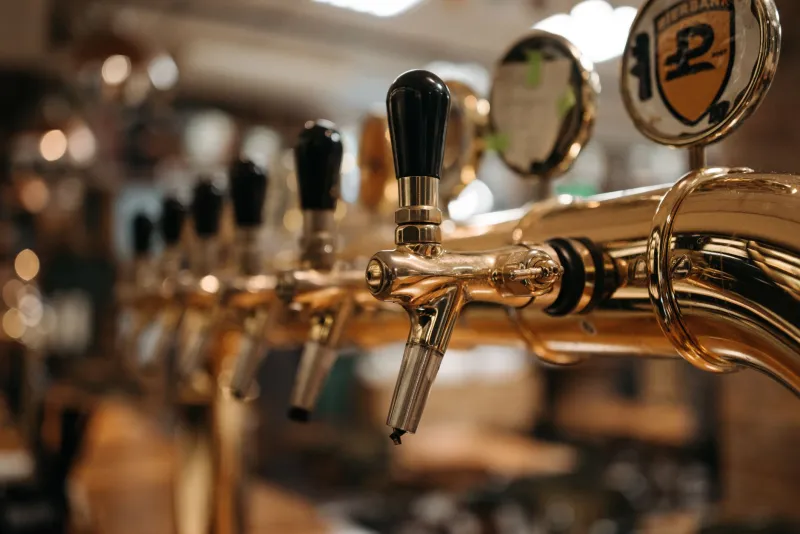
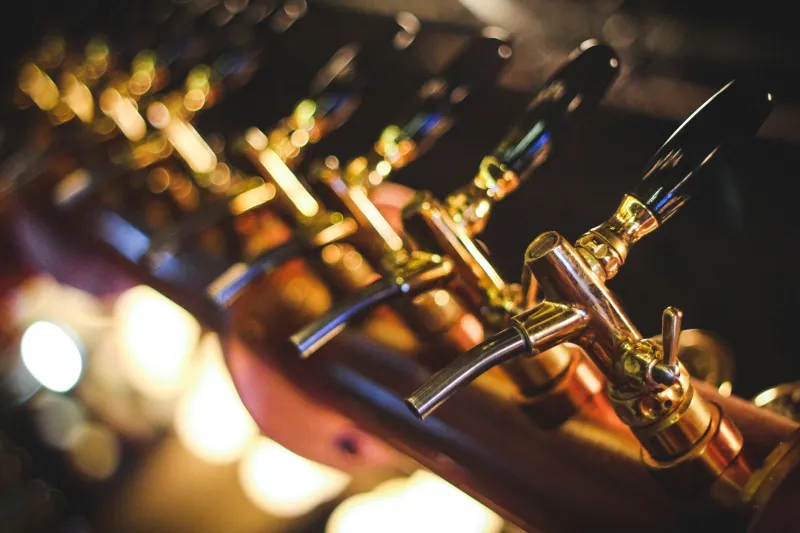
A kegerator is the gold standard if you're planning to host regularly throughout the season. It's essentially a dedicated refrigerator built around a keg, with a tap mounted on top. Temperatures stay consistent, foam is minimal, and it looks sharp sitting in your game room or garage. If you're going to be hosting watch parties every Sunday from September through February, this is the investment that pays for itself in saved beer money and social capital.
A portable keg tap with a cooler or jockey box works great if you want flexibility or you're not ready to commit to a permanent setup. A jockey box runs cold water or ice through coils that chill the beer as it flows through the tap — perfect for a garage setup or an outdoor watch party when the weather is still warm enough in early fall.
Either way, you'll need a CO2 tank and regulator, a keg coupler that matches your beer brand (American domestics typically use a D-type coupler), and good-quality beer lines. Don't cheap out on the lines — old or low-grade tubing is one of the biggest culprits behind foamy, off-tasting draft beer at home.
Temperature Is Everything
Here's a truth that separates a great draft pour from a glass full of foam and disappointment: temperature control is non-negotiable.
Most American lagers and light beers serve best between 34°F and 38°F. Craft ales and IPAs can handle the higher end of that range, around 38°F to 45°F, depending on the style. If your beer is too warm when it hits the tap, CO2 comes out of solution too fast and you end up with a pour that's 80% head.
If you're using a kegerator, set your thermostat and give the keg at least 24 hours to settle before the party starts. If you've just received a keg and need to cool it fast, pack it in ice and give it as much time as you can — ideally overnight. A keg that's been jostled around in a truck and then immediately tapped is going to foam no matter what you do.
Also, keep your beer lines cold. Warm lines between a cold keg and the faucet are another sneaky source of foam problems. Insulating your lines or running them through a cold environment goes a long way.
Picking the Right Beer for Your Crowd
Game day crowds are diverse. You've got the craft beer enthusiasts, the "just give me a Bud Light" contingent, and everyone in between. Here's a smart approach that covers all your bases without overcomplicating things.
For a crowd of 10–15 people, a single 1/4 barrel (also called a pony keg, holding about 62 pints) is usually plenty for a four-hour game. Go with something crowd-pleasing — a light lager, an easy-drinking American pale ale, or a popular regional craft that most people recognize.
For 20–30+ fans, step up to a full 1/2 barrel (a standard keg, roughly 165 pints). You could also run two smaller kegs side by side if you want to offer a choice — one domestic light, one craft option. Two taps at a party make you look like you really know what you're doing, and they keep the line moving.
Style-wise, stick to approachable, lower-ABV options for a long game day. Session IPAs, American lagers, wheat beers, and cream ales are all solid picks. Save the barrel-aged stouts for a smaller, more intentional gathering.
Setting Up Your Station Like a Pro
Location matters more than people think. Set up your keg station somewhere that keeps foot traffic away from the main viewing area — a kitchen corner, a garage, or a dedicated bar cart setup works well. You want people to be able to grab a refill without blocking anyone's view of the screen right when something important happens.
A few setup tips that make a real difference:
- Place a drip tray under your faucet. It sounds basic, but it saves your floors and makes the whole setup look intentional.
- Keep your CO2 pressure dialed in. For most home setups, 10–12 PSI works well for standard lagers. Too much pressure = foam. Too little = flat beer. Check your regulator before guests arrive.
- Have a dedicated cup station nearby. A stack of 16 oz. plastic cups, a few pint glasses for the beer nerds in the group, and a small trash bin for empties keeps things tidy.
- Post a quick "how to pour" sign if you're letting guests self-serve. Tilt the glass at 45 degrees, open the tap fully, straighten the glass near the end. It sounds simple, but you'll thank yourself when your foam waste drops dramatically.
The Seasonal Investment That Actually Makes Sense
Let's talk numbers for a second. A standard 1/2 barrel of a popular domestic beer runs somewhere in the range of $100–$200 depending on your market, which works out to well under a dollar per pint. Compare that to buying the equivalent in canned or bottled beer at retail, and you're saving real money — especially over a full NFL season's worth of hosting.
Beyond the savings, there's the experience factor. There's something about a cold draft pour from a real tap that just feels different than cracking open a can. Your guests notice it, they appreciate it, and — let's be honest — they talk about it. Being the house with a keg setup is a genuine social upgrade.
Invest in decent equipment at the start of the season, take care of it properly, and you'll be using it for years. Clean your lines regularly (every two weeks during heavy use), store your CO2 tank safely, and rinse your keg coupler after each use. That's really all the maintenance it takes to keep things running smoothly.
Ready for Kickoff?
A game day keg station isn't just a party trick — it's a full upgrade to how you entertain. Get the equipment dialed in, choose a beer your crowd will love, keep things cold, and manage your pour technique, and you'll be the host everyone's texting when Sunday rolls around.
At KegoMall, we've got everything you need to pull this off: kegerators, jockey boxes, CO2 systems, couplers, taps, and more. Browse our setup guides and gear to find the right combination for your space and your crowd. Football season only comes once a year — make every game count.