Beyond Beer: How to Tap Kombucha, Cold Brew, and Craft Soda Like a Pro
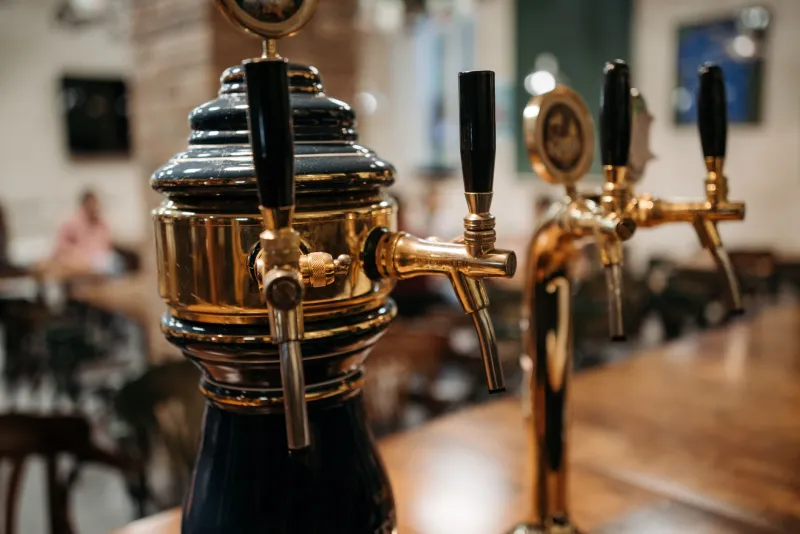
For a long time, the tap tower was beer's exclusive domain. Lagers, IPAs, stouts — that was the lineup, full stop. But walk into any buzzing bar or trendy café across the US right now and you'll notice something different: those same chrome faucets are pouring kombucha, nitro cold brew, sparkling lemonade, and house-made craft soda right alongside the pints.
The demand for non-alcoholic options has exploded. According to industry data, NA beverage sales in the US have grown by double digits year over year, and consumers aren't settling for a sad can of ginger ale anymore. They want something craft, something fresh, something worth paying for. The good news? Your existing keg setup — or a new one from KegoMall — can handle all of it. You just need to know what you're doing.
Why Kegging NA Beverages Is a Game-Changer
Let's start with the obvious question: why bother kegging something you could just pour from a bottle?
Freshness is the biggest answer. Kombucha oxidizes fast once exposed to air. Cold brew loses its smooth, chocolatey character within days of opening. Craft soda goes flat. When you keg these beverages under the right gas pressure, you're essentially sealing in that peak-freshness moment and serving it on demand, cup after cup, without degradation.
For commercial operators, the math is even more compelling. A keg of cold brew replaces dozens of individual bottles, cuts down on waste, and reduces the labor of constantly restocking the cooler. For home entertainers, tapping a keg of house-made ginger beer or sparkling lemonade at a backyard party is the kind of move that gets people talking.
Understanding Gas: Nitrogen vs. CO2
Here's where NA beverages diverge from beer, and it matters a lot.
Most draft beer runs on CO2, which carbonates the liquid and pushes it out of the keg. Some beverages — like kombucha and craft soda — are already carbonated, so CO2 still works great as a serving gas. The key is matching your pressure to the carbonation level of the drink. Overpressure a kombucha keg and you'll end up with a foamy, over-carbonated mess. Under-pressure it and you'll pour flat.
A good starting point for carbonated NA beverages is 10–12 PSI, but you may need to dial it up or down depending on the specific product and your line length. Keep a pressure gauge handy and taste-test as you adjust.
Nitro is a whole different animal. Nitrogen produces that silky, cascading pour you see with nitro cold brew and nitro stouts. Because nitrogen molecules are larger and less soluble in liquid than CO2, it creates a creamy, low-bubble texture instead of sharp carbonation. Nitro cold brew served on tap is genuinely one of the most satisfying drinks you can pour — the texture alone justifies the setup.
For nitro applications, you'll want a dedicated nitrogen tank (or a blended beer gas like 75/25 nitrogen-CO2) and a stout faucet or a restrictor plate to generate the right flow. KegoMall carries the fittings and faucets you need to get this dialed in.
Line Cleaning: The Step You Cannot Skip
If there's one area where NA beverages demand more attention than beer, it's line maintenance. This is especially true for kombucha.
Kombucha is a live, fermented product. It contains active cultures that, if left in your draft lines, will keep fermenting — and not in a good way. Residue builds up fast, flavors get funky, and you risk cross-contamination if you ever switch that tap to a different beverage. The same goes for cold brew, which contains oils and fine particulates that cling to line walls.
The standard rule for beer lines is a thorough cleaning every two weeks. For kombucha and cold brew, bump that up to weekly at minimum. Use a food-safe line-cleaning solution, flush thoroughly with clean water, and inspect your faucet and coupler seals regularly. Some operators dedicate specific tap lines exclusively to NA beverages to avoid any flavor crossover with beer — a smart move if you have the setup for it.
For home use, the same principles apply. If you're kegging kombucha in a kegerator that also handles beer, clean those lines before switching products. It takes 20 minutes and saves you from serving something that tastes like a science experiment.
Equipment Considerations for Non-Alcoholic Kegging
The great news is that most standard kegging equipment works fine for NA beverages. A Cornelius (corny) keg is the go-to choice for home brewers and small-batch operators — they're easy to clean, widely available, and hold 5 gallons, which is the perfect volume for a party or a week's worth of café service.
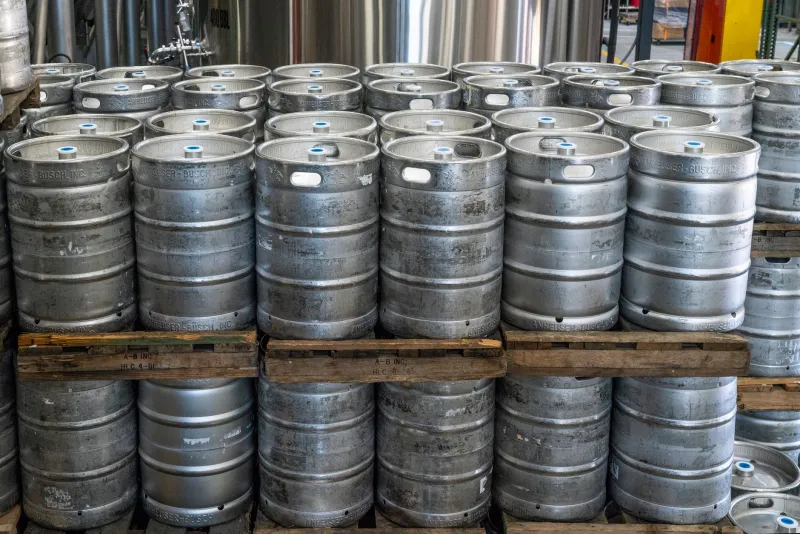
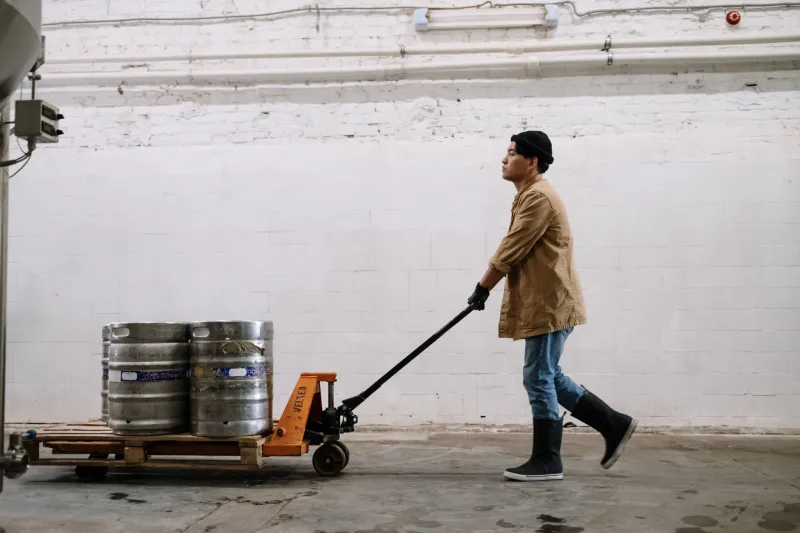
For commercial operations running higher volumes, standard half-barrel or sixth-barrel kegs work just as well, provided your supplier packages the product in them (many craft kombucha and cold brew brands now offer keg options).
A few things worth double-checking before you tap your first NA keg:
- Couplers and fittings: Most NA keg products use standard Sankey D couplers, but verify with your supplier.
- Temperature: Serve kombucha and cold brew between 35–40°F for best results. Most kegerators handle this range easily.
- Pressure relief: Always check that your pressure relief valve is functioning. Over-pressurized kombucha kegs can build up fast due to ongoing fermentation.
- Dedicated faucets: If you're serious about NA service, consider a dedicated faucet for each beverage type. Flavor bleed between a stout tap and a kombucha tap is not a good time.
Building a Tap Menu That Wows Every Guest
One of the most underrated advantages of kegging NA beverages is what it does for your overall hospitality game. Whether you're running a bar, a restaurant, or just throwing a killer dinner party, having two or three thoughtfully curated NA options on tap sends a message: everyone at this table is going to have a great drink.
Think about building a balanced tap lineup. Pair a hoppy craft IPA with a house-made sparkling grapefruit soda that mirrors those citrus notes. Offer nitro cold brew alongside a nitro stout for guests who want that same creamy texture without the alcohol. Tap a dry, effervescent kombucha as a food-friendly option that works with everything on the menu.
For home entertainers, a single corny keg of craft soda or cold brew alongside your beer keg is all it takes to make sure nobody feels like an afterthought.
The Bottom Line
The tap system you already own — or the one you're thinking about picking up from KegoMall — is more versatile than you might realize. Kombucha, cold brew, craft soda, sparkling lemonade: all of it pours beautifully on draft when you've got the right gas setup, clean lines, and a little know-how.
The NA beverage wave isn't slowing down. Might as well ride it with a properly chilled keg and a clean faucet.