Basement Brewer to Business Owner: The Keg-Powered Path to Your Own Craft Beer Venture
Somewhere in America right now, a home brewer is pouring a pint for a neighbor, watching their eyes light up, and hearing those four words that change everything: "You should sell this."
For most, it stays a compliment. But a growing number of passionate home brewers are taking that feedback seriously — and turning their keg-equipped garages and basements into the foundation of legitimate small businesses. Nano-breweries, pop-up tap experiences, taproom incubators, and farmer's market beer stalls are all part of a booming micro-entrepreneurial wave rolling across the US craft beer scene. And the keg? It's right at the center of all of it.
If you've ever stared at your kegging setup and wondered whether it could be more than a weekend hobby, this one's for you.
The Nano-Brewery Boom Is Real — and It Started in Garages
The Brewers Association defines a nano-brewery as any operation producing fewer than 15 barrels per year. That's a small number by industry standards, but it's a massive step up from a 5-gallon homebrew batch — and it's exactly the scale where many home brewers are finding their commercial footing.
Take the story of operations like Trve Brewing in Denver or SingleSpeed Brewing in Iowa, both of which trace their roots to passionate home brewers who simply refused to stop scaling up. These aren't outliers anymore. According to the Brewers Association, there are now over 9,500 craft breweries operating in the US, and a significant chunk of them started with someone's kegerator and a dream.
The path isn't always linear, and it definitely isn't always easy. But it is more accessible than it's ever been.
Understanding the Legal Landscape Before You Pour a Single Commercial Pint
Here's the part nobody loves talking about, but everyone needs to hear: you cannot legally sell beer you brew at home without proper licensing. Full stop. The good news is that the licensing landscape, while genuinely complex, is navigable — especially if you break it down by what you're actually trying to do.
Federal Requirements Every commercial brewer in the US needs a Brewer's Notice from the Alcohol and Tobacco Tax and Trade Bureau (TTB). This is your federal-level permission slip to produce beer for sale. The application is free and done online, but it requires detailed documentation about your equipment, your facility, and your business structure.
State Licensing This is where things get state-specific fast. Every state has its own Alcoholic Beverage Control (ABC) board with its own rules around production licenses, taproom licenses, and what you can and can't sell on-site. States like California, Colorado, and Oregon have relatively brewer-friendly frameworks that allow small producers to sell pints directly to customers. Others, like Utah and Alabama, have historically stricter rules — though even those are loosening up as the craft beer lobby grows stronger.
If you're eyeing a farmer's market stall or pop-up experience, check whether your state allows "brewery at retail" or "festival" permits. Many do, and these can be a fantastic low-risk way to test your commercial concept before investing in a full facility.
Local Permits and Zoning Don't overlook your city or county. Zoning laws determine whether you can operate a commercial brewing operation out of a residential property (usually, you can't) or whether your target commercial space is approved for food and beverage production. A quick call to your local planning office early in the process saves enormous headaches later.
The Equipment Upgrade Path: From Homebrew Keg to Commercial Ready
Here's where KegoMall readers really live. The equipment gap between a solid home setup and a commercial-scale operation is real, but it's not as enormous as it once was — especially at the nano level.
Your starting point: A typical advanced home brewer might have a 10-15 gallon brewing system, a chest freezer kegerator, and a handful of Cornelius (corny) kegs. That's a great foundation for understanding draft systems, but it won't cut it commercially.
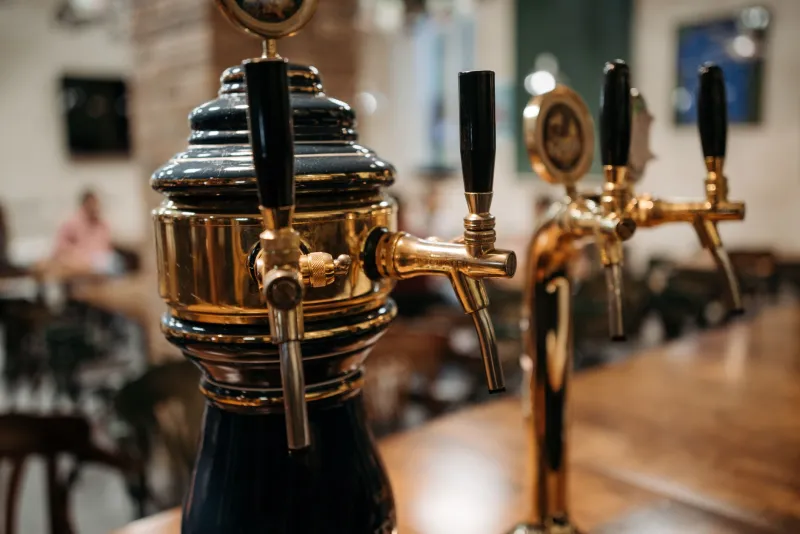
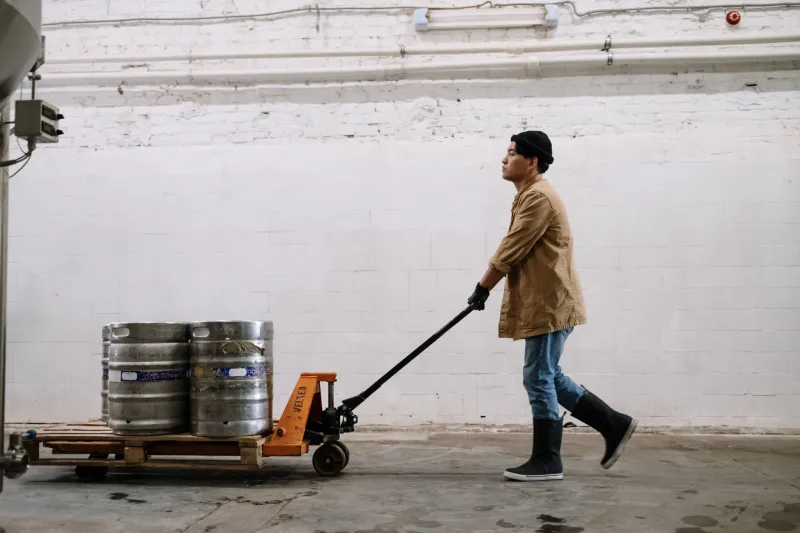
The nano step-up: Most nano-breweries start with a 1-3 barrel brewing system (roughly 31-93 gallons per batch). Pair that with commercial-grade sanke kegs — the standard half-barrel and quarter-barrel kegs you see in bars — and you're operating in real commercial territory. You'll also want a commercial glycol chiller system rather than relying on chest freezer hacks, and a proper draft tower setup if you're running any kind of taproom or tap experience.
The pop-up advantage: If you're not ready to commit to a full facility, portable draft systems are your best friend. A well-configured jockey box with CO2 tanks, a couple of commercial sanke couplers, and properly chilled kegs can run a legitimate tap experience at a festival, market, or private event. It's low overhead, high visibility, and a phenomenal way to build a local following before you sign a lease.
Real Brewers, Real Moves
Across the country, the stories are stacking up. In Portland, Oregon, a former software engineer spent three years perfecting a hazy IPA in his garage before launching a nano-brewery out of a converted auto shop — his first commercial batch sold out in a weekend. In Austin, Texas, a couple started with a single-tap pop-up at a local food truck park, built a loyal following over two summers, and used that proof of concept to secure a small business loan for a taproom buildout.
In small-town Wisconsin, a home brewer partnered with a local farmer's market to pour samples of his German-style lagers every Saturday morning — technically operating under a festival permit — and now supplies kegs to three local bars.
None of these people had brewing school degrees. They had great beer, good equipment, and the willingness to do the homework.
Before You Quit Your Day Job: A Practical Checklist
Ambition is great. A plan is better. Before you go all-in, work through these basics:
- Brew consistently at scale — Can you replicate your best recipe batch after batch? Commercial buyers need reliability.
- Get your TTB Brewer's Notice application started — It takes time, so begin early.
- Research your state's ABC requirements — Budget for licensing fees, which vary widely.
- Talk to a local attorney who specializes in alcohol beverage law. It's worth every penny.
- Audit your equipment needs — What do you have, what do you need, and what's the upgrade cost?
- Start building an audience now — Social media, local events, and word of mouth are free marketing.
The garage-to-taproom journey isn't a straight line, but for brewers with the right beer and the right hustle, it's a path that's being walked every single day across America. Your keg setup might just be the first chapter of something bigger than you imagined.