Bottles Were Just the Beginning: Why Serious Home Brewers Are Making the Switch to Kegging Systems
Ask any dedicated home brewer about their least favorite part of the process, and the answer is almost always the same: bottling day. Forty-eight bottles to sanitize. Forty-eight caps to crimp. Weeks of waiting to find out if your carbonation is consistent — or if half the batch is flat and the other half is a gusher waiting to happen.
For a growing wave of American home brewers, that frustration has become the catalyst for a serious upgrade. They're ditching the bottle capper and going all-in on kegging systems. And once they make the switch, almost none of them look back.
The Home Brewing Boom That's Still Going Strong
Home brewing in the US has been quietly booming for years. The American Homebrewers Association estimates there are well over a million active home brewers in the country, a number that got a significant boost during the pandemic when people had more time, more curiosity, and a whole lot of motivation to make their own craft beer at home.
What started as a niche hobby has matured into a genuine craft movement. Homebrew supply shops have proliferated. Online communities like r/homebrewing have hundreds of thousands of members swapping recipes and troubleshooting fermentation problems at all hours. YouTube channels dedicated entirely to all-grain brewing techniques have audiences in the hundreds of thousands.
And at a certain point in every serious brewer's journey, the same realization hits: bottling is the bottleneck.
The Typical Journey: From First Kit to First Keg
Most home brewers start the same way — with a beginner extract kit, a plastic fermenting bucket, and a lot of enthusiasm. The early batches are exciting even when they're imperfect. You made beer. That's genuinely cool.
But the hobby has a way of pulling people deeper. Extract kits give way to partial mashes, then all-grain setups. Fermentation chambers get built to control temperature. Yeast starters become a weekend ritual. The recipes get more ambitious — Belgian tripels, New England IPAs, barrel-aged stouts.
And all the while, bottling remains the one part of the process that hasn't evolved. It's still forty-eight bottles, forty-eight caps, and a prayer that your priming sugar math was right.
The brewer who's invested in a temperature-controlled fermentation chamber and a grain mill has clearly moved beyond casual hobbyist territory. The kegging system is usually the next logical step — and often the one that feels most transformational.
Why Kegging Changes Everything
Switching from bottles to a keg setup isn't just a convenience upgrade. It fundamentally changes the quality and consistency of your beer in ways that are immediately noticeable.
Freshness and oxidation control. One of the biggest enemies of great beer is oxygen. Every bottle you cap is a small gamble. With a kegging system, you purge the keg with CO2 before transferring your beer, dramatically reducing oxygen exposure. The result is a fresher, cleaner-tasting beer that holds its character longer.
Carbonation on demand. Bottle conditioning requires priming sugar, time, and a bit of luck. Kegging lets you dial in your carbonation precisely using a regulator. Want a highly carbonated hefeweizen? Done. Prefer a softer, cask-like pour on your bitter? Easy. You're in control.
No more bottling day. This alone converts most brewers. Transferring a batch to a keg takes about fifteen minutes. That's it. No sanitizing dozens of bottles, no filling, no capping, no labeling. Fifteen minutes and you're done.
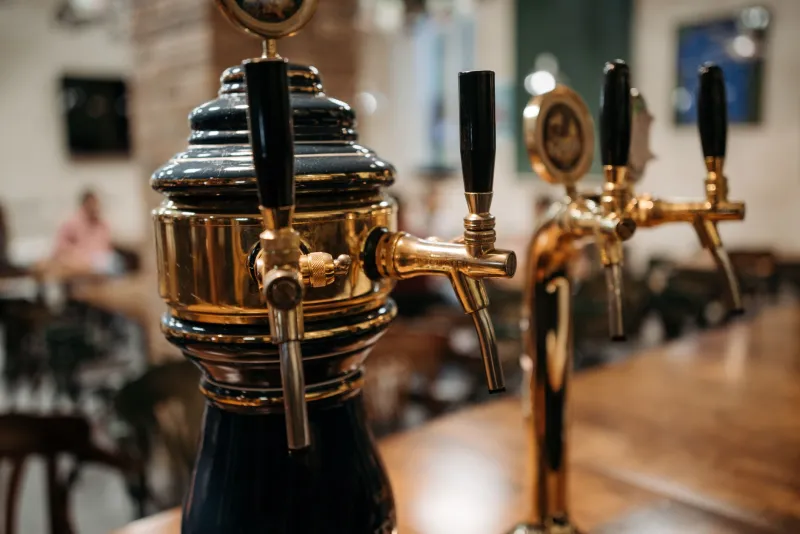
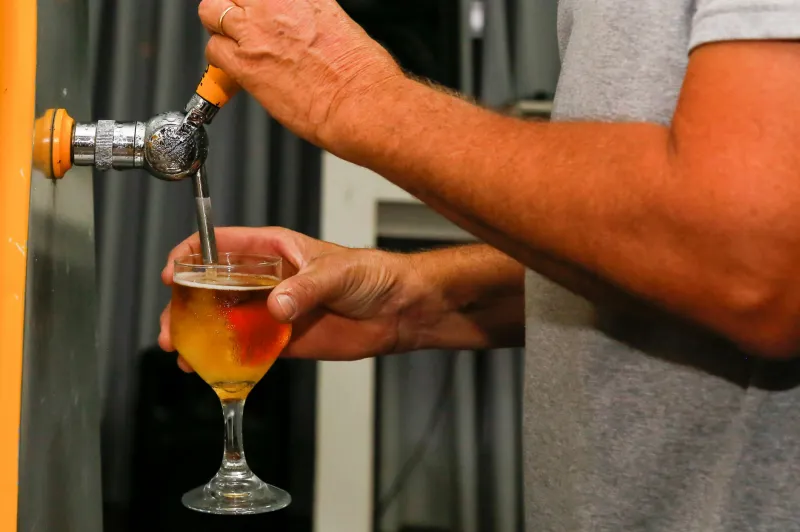
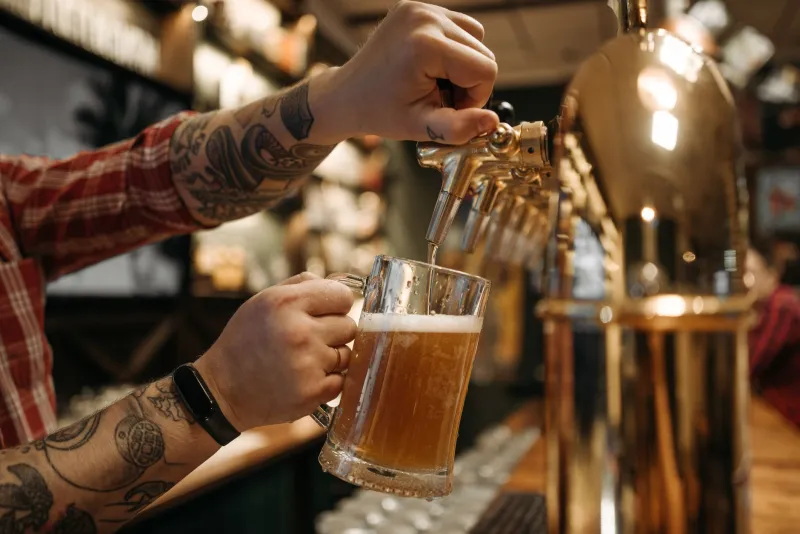
Better presentation. Pouring your homebrew from a tap just hits differently. Whether you're hosting friends or entering a homebrew competition, the experience of a proper draft pour — with a clean head, proper temperature, and zero sediment — elevates the whole thing.
What a Starter Kegging Setup Actually Looks Like
The good news is you don't need to spend a fortune to get started. A basic kegging setup includes a few core components:
- A Cornelius (corny) keg: These 5-gallon ball-lock or pin-lock kegs are the standard for home brewers. They're durable, easy to clean, and widely available.
- A CO2 tank and regulator: Typically a 5 lb tank is a solid starting point. The regulator lets you control serving and carbonation pressure independently.
- Beer and gas lines with disconnects: The plumbing that connects your keg to your tap.
- A kegerator or keezer: A converted chest freezer ("keezer") is the classic DIY option. Purpose-built kegerators are cleaner and easier if you'd rather skip the conversion project.
A solid starter kegging kit can run anywhere from $150 to $400 depending on what you already have and how much DIY you're willing to do. For brewers who were already spending money on bottling supplies and capping equipment, the math often works out faster than expected.
The Community Driving It Forward
What makes the home brewing movement so compelling isn't just the beer — it's the people. Homebrew clubs exist in nearly every major US city, and many of them have become serious social institutions. Members share equipment, swap ingredients, critique each other's batches with genuine rigor, and celebrate wins together.
Within these communities, kegging setups have become something of a status symbol — not in a pretentious way, but in a "you've clearly leveled up" kind of way. When someone rolls into a club meeting with a corny keg and a portable tap setup, the whole room takes notice. It signals commitment. It signals that this person takes their craft seriously.
Online communities have amplified this culture significantly. Detailed build threads, equipment reviews, and technique discussions make it easier than ever for a brewer in rural Montana to get the same quality of advice as someone living next door to a professional brewery.
The Upgrade That Sticks
There's a reason you almost never hear about home brewers going back to bottles after they've made the switch to kegging. The improvement in quality, consistency, and sheer enjoyment of the process is that significant.
If you're at the stage where your recipes are solid but your process still has you dreading bottling day, a kegging system isn't just a nice-to-have. It's the upgrade that takes your homebrew from great to genuinely impressive — and makes the whole experience a lot more fun along the way.
At KegoMall, we stock everything you need to make that jump, from starter corny keg setups to full kegerator builds. Your best batch ever is waiting — and it deserves to come out of a tap.