Steel, Aluminum, or Plastic: How Keg Material Affects Every Beverage You Pour
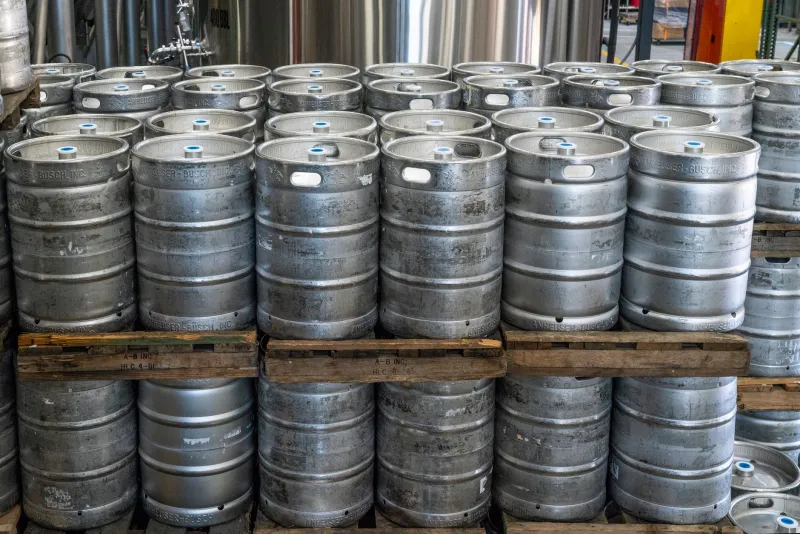
Walk into any serious bar, restaurant, or home brewing setup and you'll find kegs doing the heavy lifting. But here's something a lot of folks overlook: not every keg is built for every liquid. The material your keg is made from — stainless steel, aluminum, or plastic — has a very real impact on how your beverage tastes, how long it stays fresh, and how well it holds carbonation over time.
If you've ever wondered why your draft kombucha tasted a little off, or why your cold brew seemed to go flat faster than expected, the keg itself might be the culprit. Let's break it all down so you can make a smarter purchase — whether you're outfitting a commercial bar or dialing in your home setup.
Why Keg Material Even Matters
At first glance, a keg is just a container. But every beverage you put inside one has its own chemistry — its own acidity level, carbonation needs, and sensitivity to oxygen exposure. The wrong material can react with those properties in ways that degrade flavor, accelerate spoilage, or let precious CO2 escape faster than it should.
Think of it like cookware. You wouldn't use a reactive aluminum pan for a long-simmering tomato sauce. The same logic applies to kegs. Matching your vessel to your beverage is just good practice.
Stainless Steel: The Gold Standard for Good Reason
If there's one material that dominates the keg world, it's stainless steel — and for very good reason. Stainless is non-reactive, meaning it won't interact chemically with the beverage inside. It handles high carbonation levels without breaking a sweat, resists corrosion even after years of use, and is easy to clean and sanitize thoroughly.
For beer — especially highly carbonated styles like IPAs, lagers, wheat beers, and sours — stainless steel is the default choice. It preserves hop aromatics, doesn't impart any off-flavors, and maintains consistent pressure. That's why virtually every commercial brewery and draft bar in the country relies on stainless Sanke or ball lock kegs.
But stainless really shines when you move into more challenging beverages:
- Kombucha: This fermented tea is naturally acidic and continues to ferment after packaging. Stainless steel handles that ongoing activity without degrading. It won't absorb the vinegary tang or let acids eat into the vessel walls. If you're serving kombucha on tap — which is increasingly popular at health-forward bars and restaurants — stainless is your only serious option.
- Wine: Acidic, oxygen-sensitive, and unforgiving of contamination. Stainless kegs designed for wine use (often with nitrogen or argon systems) keep oxidation at bay and preserve delicate flavor profiles far better than any alternative.
- Cold brew coffee: Cold brew is mildly acidic and can pick up metallic notes from reactive materials over time. Stainless steel keeps those flavors clean and neutral across a full keg's lifespan.
The trade-off? Stainless steel kegs cost more upfront. But for commercial operators or serious home brewers who plan to use their equipment repeatedly over years, the investment pays off quickly.
Aluminum: Lighter, Cheaper, and Better Suited for Specific Situations
Aluminum kegs occupy an interesting middle ground. They're significantly lighter than stainless — a real advantage if you're moving kegs around frequently — and they typically cost less. You'll find them used by some large commercial breweries and in certain one-way keg programs.
For standard lagers, pilsners, and other low-acid beers, aluminum performs reasonably well. The interior is typically lined or anodized to reduce reactivity, and when properly maintained, it holds carbonation and preserves flavor adequately.
However, aluminum has real limitations:
- High-acid beverages like kombucha, cider, or wine can degrade the interior lining over time, leading to metallic off-flavors and potential contamination.
- Repeated cleaning cycles with harsh sanitizers can wear down the protective coating faster than stainless alternatives.
- Longevity simply doesn't match stainless. If you're running a commercial operation, aluminum kegs often have a shorter useful lifespan.
For home brewers who mostly stick to traditional beer styles and want to save some money, aluminum can work. But the moment you start experimenting with sours, kombucha, cider, or anything with significant acidity, it's time to step up to stainless.
Plastic (PET) Kegs: The One-Way Option That Has Its Place
Plastic kegs — most commonly made from PET (polyethylene terephthalate) — are single-use or limited-use vessels designed for convenience and portability. You've probably seen them at casual outdoor events, pop-up bars, or used by craft breweries doing small distribution runs.
They're lightweight, disposable, and cheap. For low-carbonation beers, session lagers, or party quantities of mead, they can work fine in the short term. Some craft cideries have also experimented with PET kegs for small batch distribution.
But the limitations are significant:
- Oxygen permeability: Plastic is not as impermeable as metal. Over time, oxygen can seep through the walls, oxidizing your beverage and causing stale or off flavors. This is especially problematic for hop-forward beers, which are notoriously sensitive to oxygen exposure.
- Carbonation loss: Plastic doesn't hold pressure as consistently as metal, meaning highly carbonated beverages can go flat more quickly.
- Heat and UV sensitivity: Plastic kegs shouldn't be stored in warm or sunny environments, which limits their practical use outdoors.
- Not suitable for kombucha or high-acid drinks: The acidity will interact with the plastic over time, and no one wants their fermented tea picking up plastic notes.
For single-event use with a crowd-pleasing lager or a low-key homebrew you're sharing at a backyard cookout? PET kegs are a practical, low-cost solution. For anything more serious, they're a compromise you'll eventually regret.
Matching Material to Beverage: A Quick Reference
| Beverage | Best Keg Material | Why |
|---|---|---|
| Lager / Pilsner | Stainless or Aluminum | Low acid, moderate carbonation |
| IPA / Craft Beer | Stainless | Preserves hop aroma, handles high carbonation |
| Sour Ales | Stainless only | High acidity requires non-reactive surface |
| Kombucha | Stainless only | Ongoing fermentation + high acidity |
| Cold Brew Coffee | Stainless | Prevents metallic flavor pickup |
| Wine / Cider | Stainless | Oxygen-sensitive, acidic |
| Casual Party Beer | Aluminum or PET | Short-term, cost-effective |
What Bar Owners and Home Brewers Should Ask Before Buying
Before you pull the trigger on new keg equipment, run through these questions:
- What beverages will I actually be serving? If the answer includes anything acidic — kombucha, cider, sours, wine — stainless steel is non-negotiable.
- How long will the beverage be in the keg? Longer storage demands better materials. Stainless wins for anything sitting more than a few days.
- What's my carbonation level? High-carbonation beverages need vessels that hold pressure reliably over time. Stainless and well-maintained aluminum handle this best.
- Am I buying for repeated use or a single event? One-time events can justify PET or rental aluminum kegs. A recurring setup demands the durability of stainless.
- What's my cleaning routine? Stainless tolerates aggressive sanitization without degrading. If you're running a commercial operation with frequent cleaning cycles, that durability matters.
The Bottom Line
Keg material isn't the most glamorous part of building out your bar or brewing setup, but it's one of the most consequential. Get it wrong and you'll notice it in every pour — in off-flavors, flat pints, and beverages that don't last as long as they should.
Stainless steel is the right call for the vast majority of serious applications, especially if you're serving anything beyond a straightforward lager. Aluminum has its place for cost-conscious setups with low-acid beers. And plastic works for the occasional party where convenience trumps everything else.
At KegoMall, we carry stainless, aluminum, and PET keg options across a range of sizes and fittings — so whatever you're pouring, you can find the right vessel to serve it at its best. Take the time to match your material to your beverage, and every glass you pour will show it.