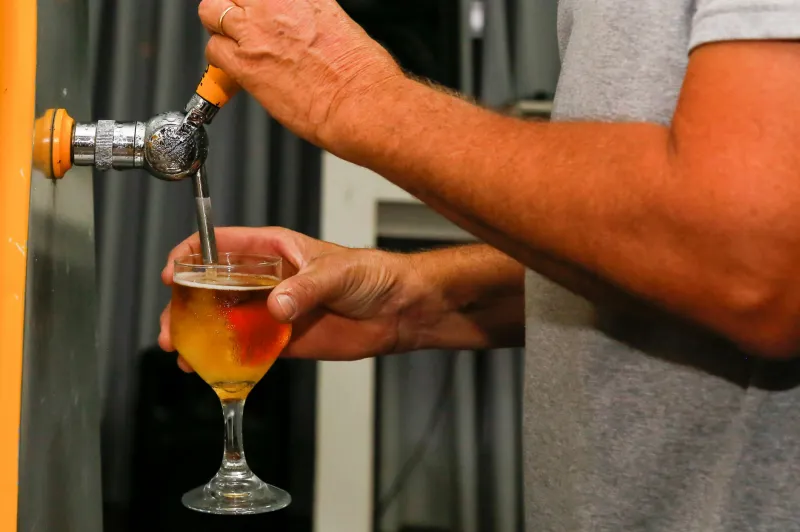
Kegs, Cans, or Bottles: The Ultimate Party Host's Guide to Choosing the Right Beer Format
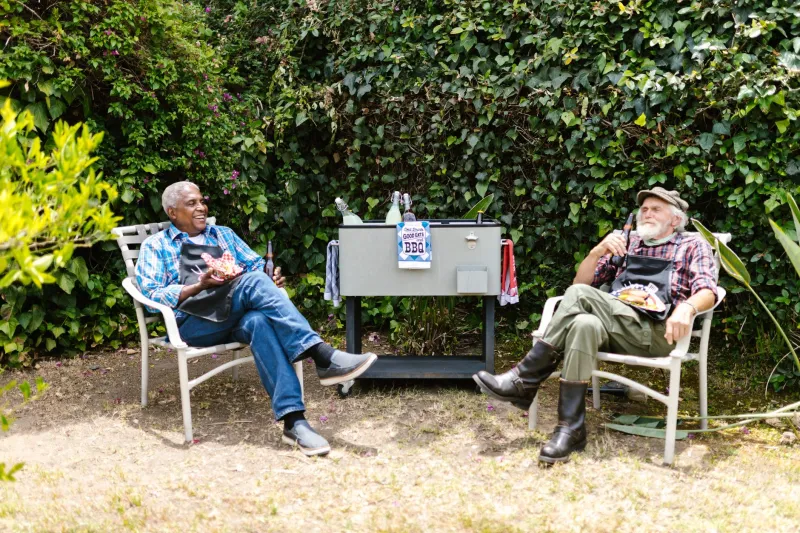
Kegs, Cans, or Bottles: The Ultimate Party Host's Guide to Choosing the Right Beer Format
Planning a big party is already a lot — food, music, seating, maybe a playlist that doesn't embarrass you. The last thing you want is to overthink the beer situation and still end up short at 9 PM. Whether you're hosting a backyard BBQ, a Super Bowl watch party, or a casual wedding reception, the format you choose for your beer can genuinely make or break the vibe (and your budget).
At KegoMall, we live and breathe draft beer culture, but we're not here to tell you a keg is always the answer. Sometimes it is. Sometimes it isn't. Let's actually dig into the numbers, the logistics, and the real-world scenarios so you can walk into your next party prep session knowing exactly what you need.
The Basics: What You're Actually Comparing
Before we get into party scenarios, it helps to understand what separates these three formats at a fundamental level.
Kegs hold a large volume of beer under pressure, typically served through a tap system. A standard half-barrel keg holds 15.5 gallons — that's roughly 165 twelve-ounce servings. Quarter-barrel (pony) kegs hold about 7.75 gallons, or around 82 servings. Sixth-barrel (slim) kegs clock in at 5.16 gallons, which is about 55 servings.
Bottles are the classic format — typically 12 oz per unit, sold in six-packs, twelve-packs, or cases of 24. They protect beer well from light (especially brown glass) and are widely available.
Cans have had a major glow-up over the last decade. Craft breweries have embraced them hard, and for good reason — aluminum blocks light completely, seals tighter than most caps, and keeps beer fresher longer in a lot of conditions.
Cost Per Ounce: The Numbers Don't Lie
Let's talk money, because that's usually where the conversation gets real.
For a rough benchmark using a popular domestic lager like Bud Light or Coors Light:
- Half-barrel keg: Typically runs $90–$130 depending on your region and retailer. That works out to roughly $0.05–$0.07 per ounce.
- Case of 24 cans (12 oz): Usually $20–$30 at a big-box store, putting you at about $0.07–$0.10 per ounce.
- Case of 24 bottles (12 oz): Similar pricing to cans, often $22–$32, or $0.08–$0.11 per ounce.
The keg wins on cost per ounce, especially once you're serving 50+ people. But you also have to factor in keg rental fees (usually $30–$50 for a tap and tub), a CO2 deposit, and potentially a keg deposit of $30–$100 depending on the retailer.
For a party of 20 or fewer, cans or bottles often make more financial sense once you account for those upfront keg costs.
Scenario 1: The Backyard BBQ (30–60 Guests)
This is the sweet spot for a keg. You've got a crowd, you're outdoors, and the vibe is relaxed. A half-barrel keg set up in a tub of ice with a basic party pump is all you need. Guests serve themselves, you're not running back to the cooler every five minutes, and the beer stays cold and fresh throughout the afternoon.
Winner: Keg
Tips for first-timers: Rent a keg setup from KegoMall or your local homebrew shop. You'll want a party tap (also called a picnic tap), a keg tub, and plenty of ice. Let the keg settle for at least an hour before tapping — moving a keg around agitates the beer and causes excessive foam.
Scenario 2: The Super Bowl Watch Party (15–25 Guests)
Here's where it gets nuanced. Super Bowl parties usually span four to five hours, people are snacking and distracted, and consumption is more spread out than a typical backyard bash. You're also probably mixing beer with other drinks.
A sixth-barrel or pony keg can work great here, but if you're serving a variety of beers — some guests want a lager, others want an IPA, someone always wants a hard seltzer — cans are your best friend. A mix of 12-packs gives you variety without commitment.
Winner: Cans (for variety) or pony keg (if everyone's drinking the same thing)
Pro tip: Stock a mix. Grab a pony keg of whatever the crowd favorite is, then supplement with a few 12-packs of alternatives. You'll look like a hero.
Scenario 3: The Wedding Reception (75–150 Guests)
Weddings are a different animal. You might be working with a venue, a caterer, and a formal setup. Bottles add a touch of elegance and are easy to pass around at tables. Multiple kegs are also a strong move if you're doing a DIY outdoor reception with a bar station.
For a fully DIY outdoor wedding with 100 guests planning to drink for five hours, you're looking at roughly two to three half-barrel kegs. That's a significant investment in equipment — you'll want a proper kegerator or a well-iced keg setup, CO2 tanks (not hand pumps, which introduce air and shorten freshness), and someone keeping an eye on the tap.
Winner: Kegs (for large DIY receptions) or bottles (for formal, catered events where aesthetics matter)
Freshness and Quality: Does Format Actually Affect Taste?
Yes — and more than most people realize.
Draft beer from a properly maintained keg is widely considered the freshest way to enjoy most commercial beers. It's never exposed to light, it's kept under consistent CO2 pressure, and it goes from brewery to your glass without oxidation.
Cans are the next best thing. The aluminum completely blocks UV light and creates a near-airtight seal. Many craft brewers actually prefer cans for their flagship IPAs because hop aromas stay more intact.
Bottles, especially green or clear glass ones, are the most vulnerable to light damage (aka "skunking"). Brown glass helps significantly, but if bottles are sitting in a sunny cooler all afternoon, quality degrades faster.
Environmental Impact: The Honest Breakdown
If sustainability matters to you, here's the real talk:
- Kegs are the clear winner — they're reusable stainless steel vessels that go back to the brewery and get refilled thousands of times.
- Cans are highly recyclable and have a strong infrastructure for recycling in the US, though production is energy-intensive.
- Bottles are recyclable but heavier to transport (higher carbon footprint per unit shipped) and have lower recycling rates than cans in many states.
Getting Started with Kegs: What You Actually Need
If this article has you leaning toward rolling out a keg for the first time, here's a quick shopping list:
- The keg itself — Order through KegoMall or your local distributor. We carry a wide range of domestic and craft options.
- A tap system — A party pump for one-time use, or a CO2-powered tap for longer events and better pour quality.
- A keg tub or kegerator — Keep that beer cold. A tub with 20 lbs of ice works for shorter events; a kegerator is worth it if you're hosting regularly.
- Cups — 16 oz plastic cups are standard for backyard parties; go with proper pint glasses if you want to elevate the experience.
KegoMall has everything from entry-level party taps to full kegerator setups, so whether you're a first-timer or building out a home bar, we've got you covered.
The Bottom Line
There's no universal winner here — and that's the honest answer. The right format depends on your headcount, your budget, your venue, and your crowd. But as a general rule: kegs win on cost and freshness for large groups, cans win on variety and convenience, and bottles win on aesthetics and portability for smaller or more formal gatherings.
When in doubt, do the math on cost per ounce, think about how long your event runs, and don't be afraid to mix formats. And if you're ready to take the keg plunge, KegoMall is here to make sure your first pour is a great one.